Design in Transition: The 30s & 40s
The transition from the 1930s to the 1940s represents one of the most dramatic shifts in interior design history. It moves from the high-glamour, industrial "machine age" of the 1930s to the resourceful, "make-do-and-mend" sentimentalism of the 1940s.
1930s: The Age of Streamline Moderne
While the 1920s were about "Art Deco" opulence, the 1930s introduced Streamline Moderne. This was a sleeker, more aerodynamic version of Deco inspired by the growing obsession with travel and speed (ocean liners, airplanes, and trains).
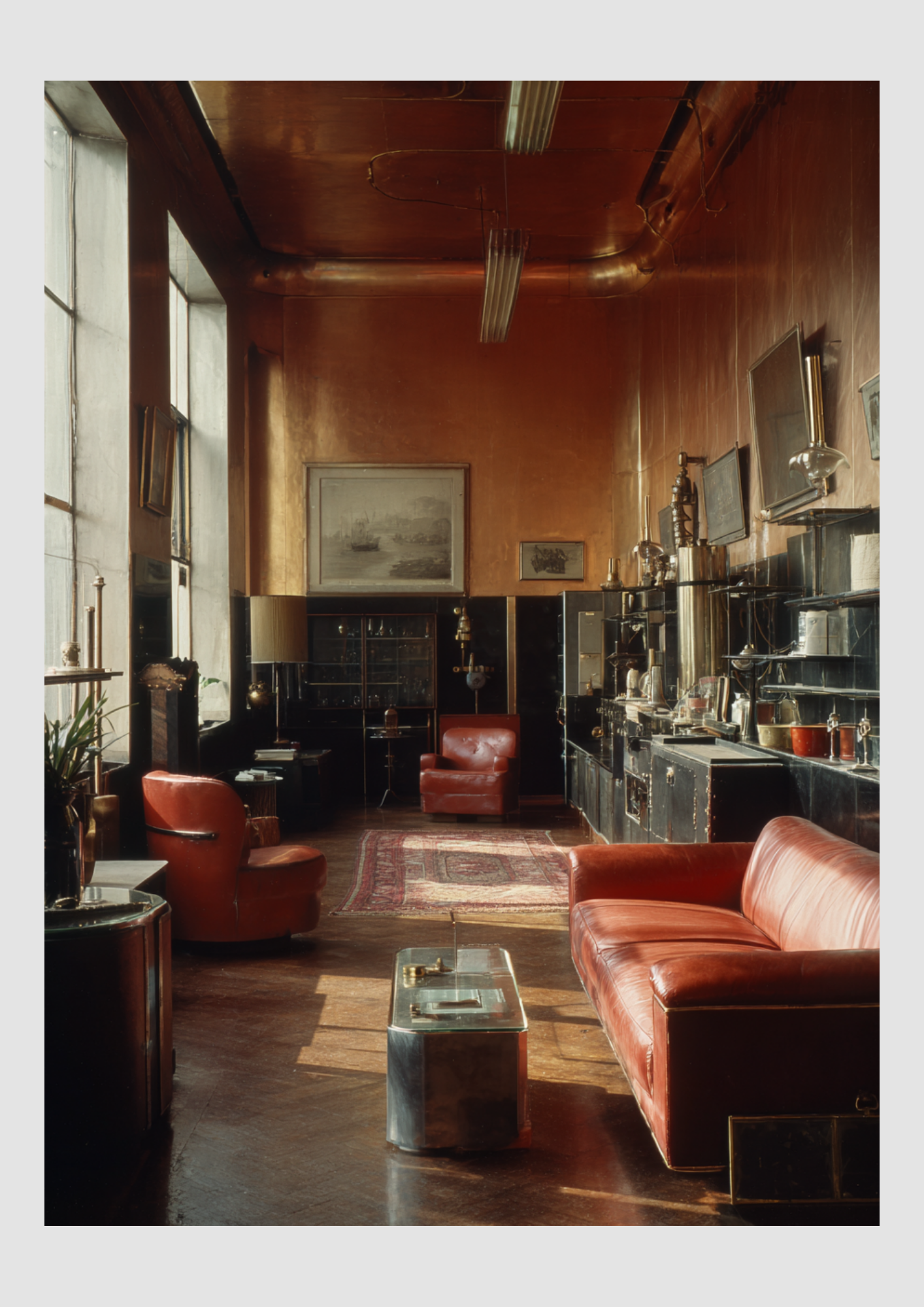
Key Shapes: Aerodynamic curves, horizontal "speed lines," and rounded corners.
Materials: Extensive use of chrome, glass block, mirrored surfaces, and early plastics like Bakelite.
Color Palette: Dominated by cool neutrals—cream, ivory, and taupe—punctuated by high-contrast "Hollywood" jewel tones like emerald green, sapphire blue, and ruby red.
Furniture: "Skyscraper" bookcases, tiered furniture, and the introduction of bent plywood (notably by Alvar Aalto).
The Vibe: Futuristic, cinematic, and polished. Think of a high-end 1930s hotel lobby or a "Hollywood Regency" dressing room.
1940s: Resourcefulness & The "Home Front"
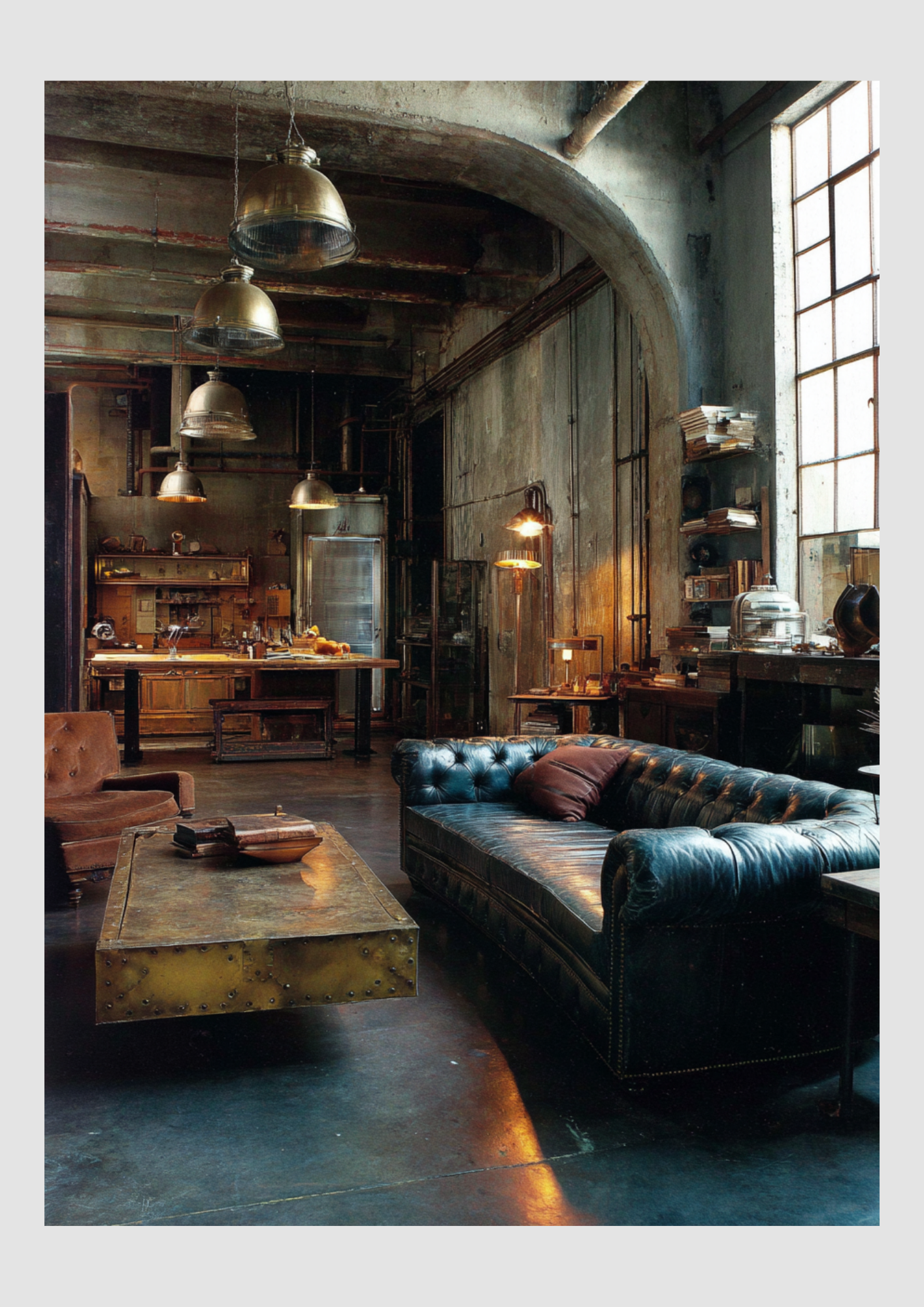
World War II fundamentally changed home design. Luxury materials like metal and rubber were diverted to the war effort, leading to a shift toward traditionalism and utility.
The "Make Do and Mend" Era: Furniture was often second-hand or made from available woods like oak and walnut. To refresh old pieces, homeowners used floral slipcovers and heavy ruffles.
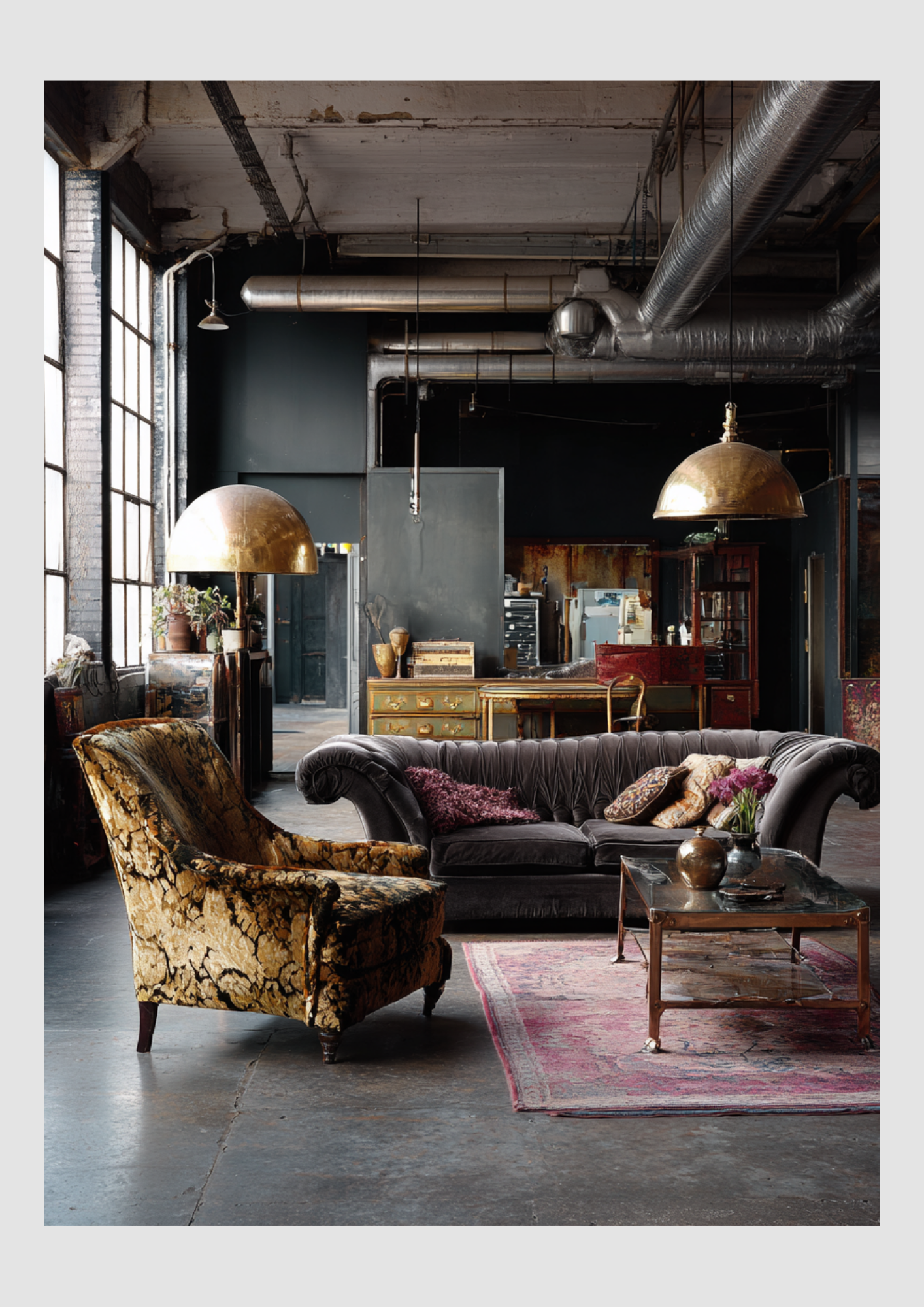
Patterns: This decade was the height of florals, chintz, and gingham. Patriotic color schemes (red, white, and blue) were also common.
Materials: Wood became the primary material again. Linoleum floors were popular in kitchens, and wall-to-wall carpeting became an affordable luxury for the living room.
Layout Changes: The 1940s introduced the open floor plan. Families began to favor informal "family rooms" and "eat-in kitchens" rather than formal dining rooms.
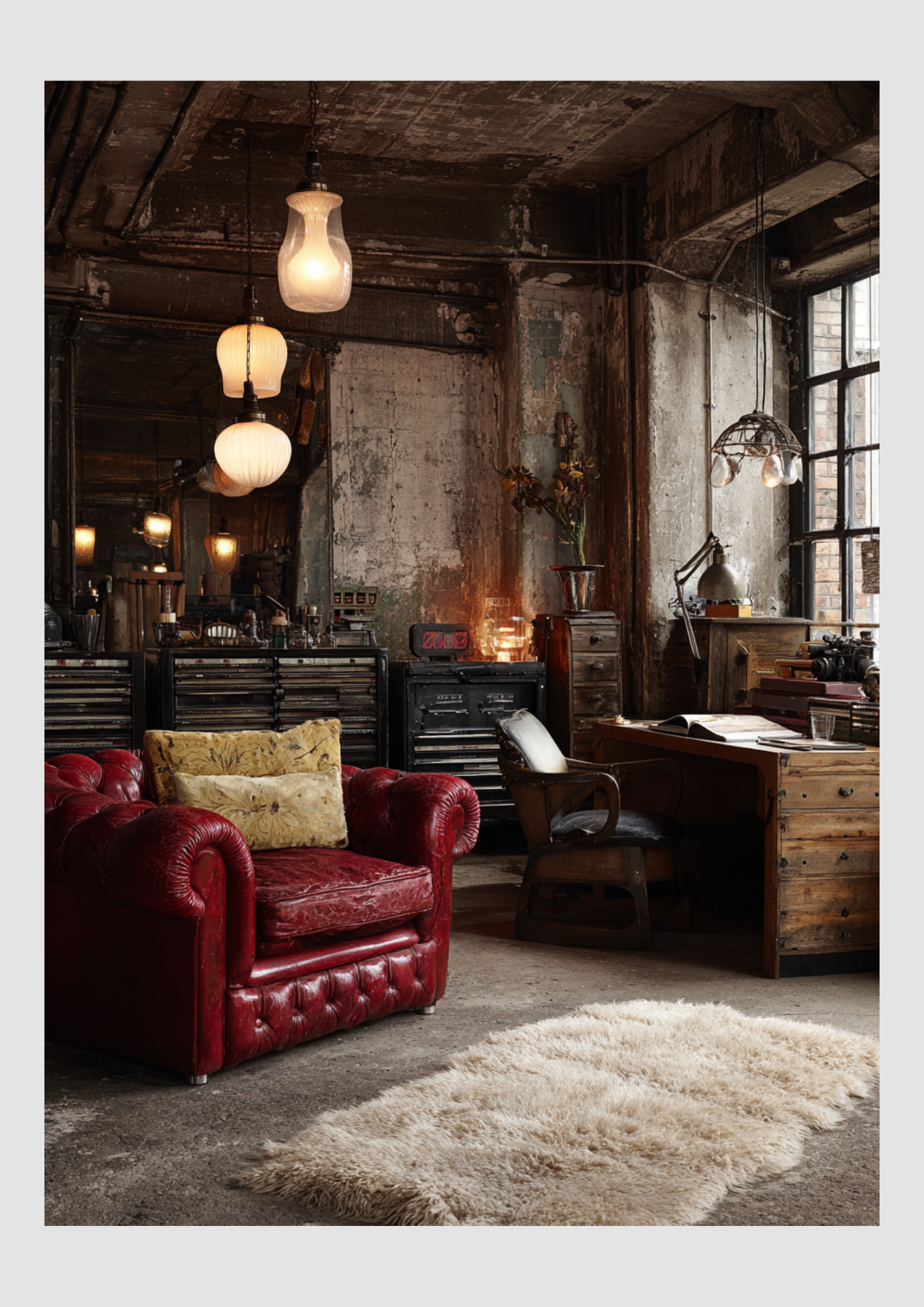
The Vibe: Sentimental, cozy, and patriotic. It was less about looking "modern" and more about creating a safe, comfortable sanctuary.
Key interior differences at a Glance
Primary Style
30s: Streamline Moderne / Art Deco
40s: Traditional / Early Mid-Century
Metals
30s: High-shine Chrome & Nickel
40s: Very little (saved for war)
Wall Decor
30s: Geometric wallpaper, mirrors
40s: Floral wallpaper, framed photos
Kitchens
30s: Laboratory-white, sterile
40s: Whimsical, colorful (Rooster motifs)
Focus
30s: Sophistication & Luxury
40s: Comfort & Practicality
Why this shift happened
The Great Depression (1930s) pushed designers to find cheaper ways to look "expensive" through mass-produced materials like chrome and glass. However, the start of WWII (1940s) created a longing for the "good old days," causing a massive return to traditional, floral, and wooden styles that eventually paved the way for the Mid-Century Modern movement of the 1950s.
