blog
I'm Bianca, interior designer, photographer and visual creator based in Aachen (Germany). This blog features insights on architecture, interior design, food and products. I love Italian food and anything chocolate. I love visual details, and often remember everything I see along the way! Sign up here to sign up for my newsletter, and receive an alert when a new blog is posted.


10 Colour palettes
In this blog I will discuss 10 interior styles. For each of the styles I designed a matching color palette, which includes everything of that particular style!
In this blog I will discuss 10 interior styles. For each of the styles I designed a matching color palette, which includes everything of that particular style!

Wabi sabi
A beautiful and soothing approach to interior design. It’s all about the beauty of imperfection, transience and simplicity. Think of it as embracing the natural cycle of life in your home.
Imagine:
• Natural materials: Think of untreated wood with visible grain, linen with a casual wrinkle, handmade ceramics with subtle variations in texture and color. It’s the honesty of the material that counts.
• Simplicity and minimalism: No unnecessary frills or unnecessary decoration. Every object has a function and a meaning. The focus is on quality over quantity.
• The beauty of aging: A weathered wooden table with small dents tells a story. A weathered stone pot has character. The traces of time are cherished, not hidden.
• Asymmetry and irregularity: Perfection is not the goal. A handmade vase that is not completely symmetrical has charm. It is the natural variation that makes it interesting.
• Calm and neutral colours: Think of earth tones, soft greys, greyed whites and greens. The colours exude serenity and let the texture of the materials speak.
• Space and emptiness: Conscious empty spaces create a sense of peace and balance. The intention is not to fill every corner.
• Connection with nature: Bringing in natural elements such as branches, stones or a single flower in a simple vase reinforces the wabi sabi feeling.
It is about creating an interior that is not only beautiful, but also evokes a sense of calm, modesty and connection with nature. It is a style that invites contemplation and appreciating the moment.

Scandi
The Scandinavian interior design style, often abbreviated to "Scandi", is known for its functionality, simplicity and warm, inviting atmosphere. It is a style that emphasizes comfort and creating a light and airy living environment, even in the long, dark winter months of Scandinavia.
Imagine:
• Functionality first: Every item in a Scandi interior has a purpose. There is no room for unnecessary decoration that has no function. It is all about practical solutions that also look good.
• Simplicity and minimalism: Just like with wabi sabi, "less is more" is an important principle. Clean lines, uncluttered spaces and a focus on essential furniture create a sense of calm and clarity.
• Light and spaciousness: White or light-colored walls are characteristic of the Scandi style. They reflect the natural light and make the room appear larger and brighter. Large windows are often left uncovered or fitted with light, transparent curtains to let in as much daylight as possible.
• Natural materials: Wood plays a central role, often in light shades such as birch, maple and pine. Other natural materials such as wool, linen, cotton and leather are used for textiles and accents, adding warmth and texture.
• Comfort and coziness ("Hygge"): Despite the focus on minimalism, comfort is essential. Soft throws, warm cushions, sheepskins and candles contribute to the famous "hygge" - a Danish and Norwegian concept that stands for a feeling of warmth, coziness and well-being.
• Sleek design with soft shapes: Furniture often has sleek, modern lines, but is softened by rounded corners and organic shapes. Think of iconic design classics with a timeless look.
• Neutral colour palettes with colour accents: The base is usually a neutral palette of white, grey and beige. Accents are often added in the form of pastel shades, black or natural colours such as green and blue.
• Plants: Green plants bring life and freshness to the interior and form a beautiful contrast to the light base.
Scandinavian style is more than just an aesthetic choice; it is a way of life that emphasizes well-being, functionality and appreciating the simple things. It is a style that brings a sense of calm, clarity and warmth into the home.
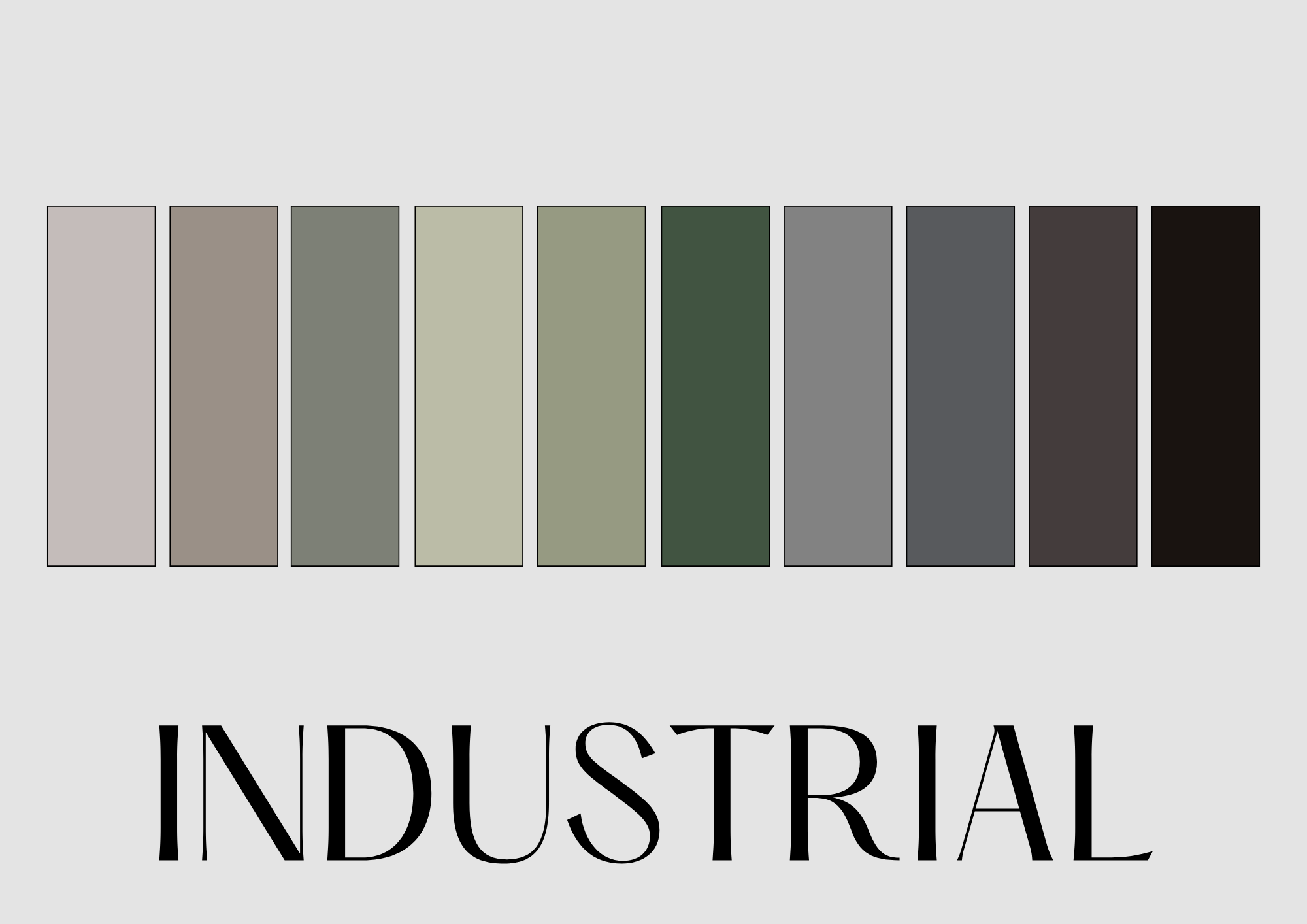
Industrial
The industrial interior style is tough, robust and exudes the atmosphere of old factories and workshops. It embraces unfinished materials, functional design and a no-nonsense aesthetic. Imagine a loft in a former industrial building, transformed into a unique and characterful living space.
Characteristic aspects of the industrial interior style are:
• Exposed structural elements: This is perhaps the most recognizable feature. Think of visible brick walls, concrete floors and ceilings, steel beams and pipes. These elements are not concealed, but rather accentuated as part of the design.
• Robust and unfinished materials: In addition to brick and concrete, you see a lot of untreated wood, steel (often dark or black), cast iron and sometimes even weathered metal. The focus is on the honesty and texture of these materials.
• Functional design: Furniture and accessories are often robust, practical and have a utilitarian look. Think of metal cabinets, workbenches that serve as kitchen islands, and lamps with a factory look.
• Open floor plans: Industrial interiors are often located in open spaces, former factories or lofts. The layout is usually spacious and uncluttered, with less emphasis on closed rooms.
• Large windows: Large windows, typical of industrial buildings, let in a lot of natural light and often offer expansive views. They are usually not covered or only covered to maintain the industrial feel.
• Dark and neutral color palettes with accents: The base often consists of neutral colors such as gray, black, white and brown. Accents can be added with darker shades such as charcoal, dark green or burgundy, or by using the natural color of the materials themselves (for example, the rust color of weathered metal).
• Vintage and recycled items: Incorporating vintage furniture and recycled objects with an industrial look contributes to the authenticity of the style. Think old factory lamps, metal lockers or a worn leather couch.
• Minimalist decoration: Decoration is generally limited and functional. Large, statement-making objects fit better than small knick-knacks. Think of an abstract painting with industrial colours or a striking metal sculpture.
• Cool lighting: Lamps are an important element in the industrial style. Hanging lamps with metal shades, spotlights and desk lamps with a robust look are popular. It is all about functional lighting that illuminates the space well.
The industrial interior style exudes a sense of rawness, authenticity and history. It is a style for people who like a cool and characterful environment with a nod to the past.
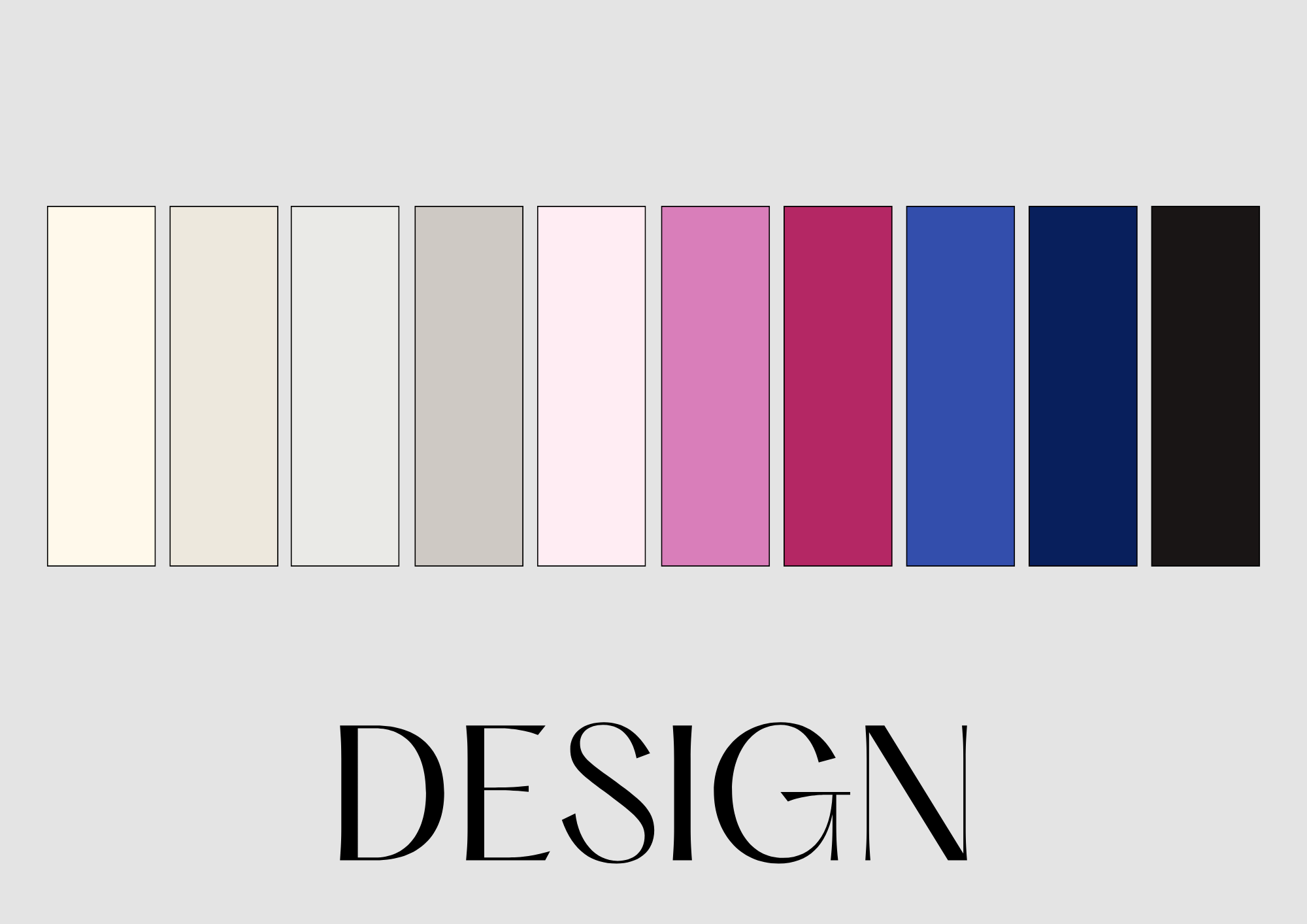
Design
The term "design interior style" is actually an umbrella term that refers to interiors in which design plays a conscious and prominent role. It goes beyond mere functionality and aesthetics; it includes innovation, thoughtful choices of materials and shapes, and often a focus on iconic or innovative furniture and accessories.
A "design interior style" can express itself in various specific styles, but the common thread is the emphasis on quality, originality and a refined aesthetic. It is an interior that demonstrates a conscious choice of design objects and an eye for detail.
Here are some characteristics that often occur in a design interior style:
• Iconic design furniture: Think of recognizable pieces from famous designers from the past and present. These pieces of furniture are often more than just functional; they are works of art in themselves and help determine the atmosphere of the space.
• High-quality materials: Much attention is paid to the quality and texture of the materials used. Think of luxury woods, refined metal, high-quality leather, and innovative composites.
• Clean lines and well-considered shapes: The design is often minimalist or modern, with a focus on clear lines and functional shapes. Every element is carefully considered.
• Innovation and originality: A design interior can also be characterised by the use of new technologies, unconventional materials or groundbreaking designs. It is often an expression of creativity and forward-thinking.
• Balance and harmony: Despite the focus on individual design pieces, there is always a striving for a balanced and harmonious composition of the space. Colours, textures and shapes are carefully coordinated.
• Attention to detail: Every aspect of the interior, from the lighting to the accessories, has been carefully chosen and placed. There is an eye for the smallest details that make the difference.
• Personal expression: Although design plays an important role, a design interior is often also a reflection of the personal taste and lifestyle of the residents. It is not a showroom, but a living space with its own identity.
• Art and decorative objects: Art often plays an important role in a design interior. It can range from paintings and sculptures to unique decorative objects that enhance the sense of space and aesthetics.
Important to remember: "Design interior style" is not a single, defined style such as Scandinavian or industrial. It is more an approach to interior design where design plays a central role. A design interior can contain elements of different styles, as long as there is a clear focus on high-quality, well-considered and often iconic design.
You could say that a design interior style is a conscious choice to invest in high-quality and aesthetically pleasing objects that often tell a story or make a statement. It is an interior that is not only beautiful to look at, but also a pleasure to live in.

Hotel chic
The hotel chic interior design style is inspired by the luxurious and comfortable atmosphere of high-end hotels and resorts. It is a style that aims to create that feeling of welcome, sophistication and a touch of extravagance in your own home. It is all about a harmonious blend of comfort and elegance, where every detail is carefully considered to create a sense of well-being and exclusivity.
The key features of the hotel chic interior design style are:
• Luxurious and high-quality materials: Think opulent fabrics such as velvet, silk, satin and leather. Natural materials such as marble, travertine and dark, glossy wood are often used for an elegant look.
• A neutral colour palette with rich accents: The base often consists of soothing neutral tones such as white, cream, beige and grey. To this are added deep, saturated accent colours such as emerald green, dark blue, burgundy, ochre yellow or even pink. Gold, silver and brass are used for a touch of glamour.
• Comfortable and generous furniture: Large, inviting sofas with soft cushions, upholstered headboards in the bedroom, and comfortable armchairs are essential. The furniture often looks sturdy and high-quality.
• Thoughtful and atmospheric lighting: Different light sources are important to create the right ambiance. Think of statement pendant lights, elegant wall lights, atmospheric table lamps and dimmable lighting to adjust the intensity. Chandeliers can add an extra touch of luxury.
• Striking accessories and decoration: Large mirrors with opulent frames, artwork, luxurious vases with fresh flowers, and decorative cushions and throws in rich materials contribute to the hotel chic look. Gold or silver accents in accessories are also popular.
• Attention to detail and finish: High-quality finishes in all aspects of the interior, from door fittings to window coverings, are important. There is a sense that everything is perfectly coordinated.
• A sense of spaciousness and calm: Although the style exudes luxury, it is important that the space does not feel overcrowded. There is a balance between the elements present and enough open space to create a sense of serenity.
• High cuddle factor: Soft textures such as velvet and deep pile rugs contribute to the comfort and luxurious look.
How do you apply the hotel chic style in your own interior?
• Choose a neutral base palette for the walls and large furniture pieces and add richer accent colors in accessories and smaller furniture.
• Invest in comfortable and high-quality furniture with a luxurious look. Think of a statement sofa or a beautifully upholstered bed.
• Play with different textures by combining smooth materials such as marble with soft fabrics such as velvet.
• Create a layered lighting plan with both functional and atmospheric lamps.
• Add striking accessories that give a sense of luxury and personality. Think of a large mirror or a unique piece of art.
• Ensure a tidy and organized space. Minimalism in clutter contributes to the calm and elegant look.
• Don't forget the details. Choose beautiful door handles, stylish window coverings and high-quality bed linen.
• Bring a touch of nature inside with fresh flowers or an elegant plant.
The hotel chic interior style is perfect for those who want to create a comfortable, yet luxurious and stylish home, with a nod to the elegance of the most prestigious hotels.

Art Deco
Ah, Art Deco! A truly glamorous and exciting interior design style that reached its peak in the Roaring Twenties and the Thirties. It is a style that stands for opulence, refinement and a touch of decadence, inspired by modernity, geometric shapes and exotic influences. Imagine: clean lines combined with opulent materials and striking patterns.
The essence of the Art Deco interior design style:
• Geometric shapes and clean lines: This is one of the most recognizable features. Think zigzags, chevrons, sunbursts, and stylized, symmetrical patterns. Rectangles, triangles and circles are common.
• Rich and luxurious materials: Art Deco embraces precious materials such as ebony, mahogany, rosewood, marble (often dark or with prominent veins), chrome, brass, gold and silver. Glass, mirror and lacquer also play an important role.
• A bold and contrasting colour palette: In addition to the rich materials, powerful colours are also used, often in contrast with each other. Think of black and white, gold and black, emerald green, sapphire blue, ruby red and deep purple. Metallics are also indispensable.
• Stylised and graphic motifs: Inspired by nature (stylised flowers, animals such as panthers and peacocks), emerging aviation and architecture (skyscrapers), and exotic cultures (Egyptian, Mayan, Asian).
• Striking lighting: Lamps are often sculptural works of art in themselves, with geometric shapes, glass elements and metal accents. Think of chandeliers with sleek lines, wall lamps in the shape of sunbeams and elegant table lamps.
• Luxurious textiles: Think of velvet, silk, satin and leather in rich colours. Patterns can be graphic or stylised.
• Statement furniture: Art Deco style furniture is often robust and has a strong presence. They can have rounded corners to contrast the clean lines, and are often upholstered in luxurious fabrics.
• Art and decorative objects: Sculptures, paintings with geometric or stylized motifs, mirrors with decorative frames, and art deco ceramics add to the atmosphere.
• A sense of glamour and sophistication: Everything in an art deco interior exudes a sense of luxury and elegance. It is a style that is not afraid to stand out.
How do you apply the art deco style to your own interior?
• Start with a bold color palette and combine neutral tones with rich accent colors and metallics.
• Incorporate geometric patterns into wallpaper, textiles, flooring, or accessories.
• Choose furniture with clean lines and luxurious upholstery. Consider pieces with metallic or wooden accents.
• Invest in striking lighting that acts as a statement piece.
• Use rich and opulent textiles for curtains, cushions, and throws.
• Add mirrors with decorative frames to enlarge the space and create a sense of glamour.
• Choose art and decorative objects that enhance the Art Deco aesthetic. Think sculptures, graphic prints or vases with stylized motifs.
• Use luxurious materials such as marble countertops, glossy wood and metal details.
The Art Deco interior design style is a powerful and expressive choice for those who love drama, elegance and a touch of vintage glamour. It is a style that makes a statement and brings a sense of timeless chic into the home.

Shabby chic
The shabby chic interior style is like a warm, comfortable embrace of softness and romance. It is a style that embraces the beauty of the imperfect, with a preference for vintage, weathered furniture and a soft, light color palette. Imagine: a house full of finds with a story, where comfort and a touch of nostalgia come together.
The charming characteristics of the shabby chic interior style:
• A soft and light color palette: The base consists mainly of white in all its nuances (from bright white to off-white and cream), soft pastel shades such as pink, light blue, mint green and lavender. These colors create a calm and dreamy atmosphere.
• Vintage and weathered furniture: This is the heart of the shabby chic style. Furniture with a history, often found at flea markets or in antique shops, is cherished. Traces of use such as worn paint, minor damage and a weathered look are not hidden, but rather appreciated.
• Detailed and romantic elements: Think of graceful frames, turned legs, floral motifs, angels, lace and brocante accessories. It is a style that embraces a touch of sweetness and femininity.
• Natural materials with a soft look: Linen, cotton and other natural fabrics with a light and sometimes slightly crinkled texture are popular for upholstery, curtains and bedding.
• Comfort and softness: Thick cushions, soft throws and comfortable seats are essential to create an inviting and relaxing atmosphere.
• Flowers and plants: Fresh flowers in vintage vases, pots with lavender or other soft flowers, and climbing plants contribute to the romantic and natural look.
• Mirrors with graceful frames: Large mirrors with baroque or other detailed frames are not only functional, but also decorative eye-catchers.
• Personal and sentimental items: Photos, heirlooms and other objects with a personal meaning give the interior warmth and character.
• A sense of casual elegance: Despite its vintage and sometimes "worn" look, shabby chic exudes a certain elegance through the careful selection of objects and the harmonious color palettes.
How do you apply the shabby chic style in your own interior?
• Start with a light base on the walls and floors. White and light pastel shades are ideal.
• Look for vintage furniture at flea markets, thrift stores or antique shops. If necessary, lightly sand them and paint them in a light color for a lived-in look.
• Choose soft and natural textiles for upholstery, curtains and bedding. Think of linen, cotton and crocheted material.
• Add romantic details with lace doilies, decorative cushions, floral motifs and brocante accessories.
• Use lots of cushions and plaids to create a comfortable and inviting atmosphere.
• Decorate with fresh flowers and plants to bring nature inside.
• Hang mirrors with ornate frames to enlarge the space and add a touch of glamour.
• Display personal and sentimental items to give the interior a soul.
• Don't be afraid of imperfection. The charm of shabby chic lies in its weathered appearance and small imperfections.
The shabby chic interior style is perfect for those who want to create a warm, romantic and personal home with a nod to the past. It is a style that effortlessly combines comfort, beauty and a touch of nostalgia.

Eclectic
The eclectic interior style is a playful and personal approach to design that combines different styles, periods, colours, textures and patterns in a harmonious and thoughtful way. It is a style that celebrates individuality and creativity, and interprets the rules of traditional interior design with a wink. Imagine a space full of surprising combinations that still form a coherent and unique whole.
The dynamic characteristics of the eclectic interior style:
• A mix of styles and periods: The heart of the eclectic style is the bringing together of elements from different design movements and time periods. Think of a vintage armchair next to a modern work of art, or an antique cabinet combined with an industrial-looking lamp.
• A rich palette of colours and patterns: Eclectic interiors do not shy away from colour. There can be both neutral bases with bright accents, as well as a daring mix of different bright colours. Patterns also play an important role, from graphic and geometric to floral and abstract. The secret is in finding a balance and creating a visual harmony.
• A variety of textures: Mixing different textures adds depth and interest to an eclectic interior. Think rough next to smooth, soft next to hard, shiny next to matte. Wool, leather, velvet, wood, metal and ceramics can all coexist.
• Personal and unique objects: Eclectic interiors are often filled with items that have personal meaning to the occupants, such as souvenirs, heirlooms, artwork and finds from travels. It is a style that reflects the personality of the occupant.
• A sense of layering and depth: Mixing different elements creates a layered and interesting space that constantly reveals new details. It is an interior that can continue to evolve over time.
• An unexpected twist: Eclectic interiors often contain an element of surprise or an unexpected combination that makes the space unique. This can be a striking piece of art, an unconventional color scheme or an unexpected function for a particular object.
• A conscious and deliberate chaos: Although it may seem random at first glance, a well-executed eclectic interior is always the result of conscious choices and a good eye for balance and composition. There is an underlying structure that prevents it from becoming a messy chaos.
How to apply the eclectic style in your own interior?
• Start with what you love: Let your personal taste and the objects you hold dear form the basis of your interior.
• Find a common thread: Choose one or two elements (for example a color palette, a certain material or a general theme) that connect the different styles and objects.
• Play with contrasts: Combine different styles, colors, textures and patterns, but make sure that there is also a harmonious balance.
• Create visual groups: Group objects that match each other in color, shape or theme to create a sense of cohesion.
• Experiment with the layout: Dare to place furniture and accessories in unconventional ways.
• Leave space: Make sure the space doesn’t feel too full. Give the different elements the space to come into their own.
• Don’t be afraid to make mistakes: Eclectic is a personal journey. Experiment and find what works for you.
• Trust your intuition: If it feels good and makes you happy, then you’re probably on the right track.
The eclectic interior style is perfect for creative minds who want to express their unique personality in their interior. It’s a style that embraces freedom, expression and the joy of discovery.

Boho
The boho interior style, short for bohemian, is a free, adventurous and unconventional way of decorating that embraces individuality, creativity and a love of travel and cultures. It is a style that puts comfort and relaxation first, with a warm, inviting and often colorful look. Imagine a home full of unique finds, soft textures and a relaxed, artistic vibe.
The casual charm of the boho interior style:
• A rich and layered color palette: Boho interiors are known for their vibrant colors. Think warm earth tones such as terracotta, ochre yellow and brown, combined with bright accent colors such as emerald green, deep blue, fuchsia and orange. Often different patterns and textures are layered in these colors.
• Natural materials and textures: Materials such as rattan, bamboo, wood, linen, cotton, wool and leather play an important role. Natural textures such as macramé, woven rugs, fluffy cushions and soft plaids are used a lot.
• Vintage and handmade items: Boho interiors are often filled with unique finds from travels, flea markets and handmade objects. Each item has a story and contributes to the personal atmosphere.
• Lots of textiles and layers: Cushions in different shapes and sizes, rugs on top of each other, wall hangings, curtains and canopies create a cozy and snug atmosphere.
• Plants in abundance: Green plants are essential in a boho interior. Hanging plants, large floor plants and small succulents bring life and freshness to the space.
• Mix of patterns: Combining different patterns is characteristic of the boho style. Think of ethnic prints, floral motifs, geometric designs and ikat patterns. The key is to choose patterns that complement each other in color or scale.
• Low seating and relaxed atmosphere: Large, comfortable sofas with lots of cushions, poufs, floor cushions and hammocks invite you to relax. The atmosphere is laid-back and casual.
• Global influences: Elements from different cultures and travel destinations are often found in a boho interior, such as Moroccan poufs, Indian bedspreads, Balinese carvings and Mexican blankets.
• Personal and spiritual elements: Think of dream catchers, incense holders, candles, gemstones and other objects that have a spiritual or personal meaning.
• A touch of gold and shine: Gold or brass accents in lamps, mirrors and decorative objects can add a touch of glamour to the warm, earthy atmosphere.
How do you apply the boho style in your own interior?
• Start with a warm, neutral base on the walls and floors and add rich colors and patterns through textiles and accessories.
• Collect unique and personal items from travels, markets and vintage shops.
• Mix and match patterns and textures in a way that is visually interesting but not overwhelming.
• Create cozy sitting areas with lots of pillows and soft throws.
• Fill your home with plants in different sizes and shapes.
• Hang wall hangings and macramé creations to add texture and visual interest.
• Use rugs to define the space and add warmth, layering them if desired.
• Create a relaxing atmosphere with soft lighting, candles and incense.
• Show off your personality by displaying objects that tell a story.
• Don’t be afraid to experiment and put your own unique spin on the style.
Boho interior design is perfect for free spirits who want to create a warm, personal and relaxed home that reflects their adventurous lifestyle and love of culture. It’s a style that embraces comfort, creativity and a touch of magic.

Vintage
The vintage interior style is a charming and nostalgic approach to furnishing in which objects and furniture from one or more decades from the past are central. It is a style that brings character, history and a unique personality into the home. Instead of brand new items, vintage embraces the beauty of lived-in pieces with a story.
The timeless appeal of the vintage interior style:
• Focus on specific decades: Vintage can focus on one specific era (for example the 50s with its retro shapes and pastel colours, the swinging sixties with psychedelic prints and plastic, or the elegant art deco period) or a mix of different decades.
• Unique and characterful objects: Each vintage item is unique and bears the traces of time. This gives the interior an authentic and personal look that you will not quickly find in a modernly furnished home.
• Sustainability and reuse: Vintage is a conscious choice for sustainability, where existing objects are given a new life instead of constantly producing new ones.
• A sense of nostalgia and remembrance: Vintage pieces often evoke memories of times gone by and can create a sense of warmth and comfort.
• Mix and match options: Vintage lends itself well to combining different styles and textures, allowing you to create an eclectic and personal look.
• Quality and craftsmanship: Many vintage pieces are made from high-quality materials and craftsmanship that is less common in today’s mass-produced furniture.
• A wide range of aesthetics: Whether you love the clean lines of mid-century modern, the romance of shabby chic, or the glamour of art deco, there’s a vintage style to suit you.
How to apply vintage style to your own interior
• Choose your decade(s): Decide which period(s) appeal to you most and let that guide your search for furniture and accessories.
• Look for authentic items: Scour flea markets, thrift stores, antique shops, and online platforms for unique vintage finds.
• Don’t be afraid of imperfection: Signs of wear and a worn look are part of the charm of vintage.
• Combine old with new: To create a balanced look, you can combine vintage items with modern elements. Think of a vintage dresser with a modern lamp above it, or a vintage armchair in a sleek, contemporary setting.
• Create focal points: Use striking vintage furniture or accessories as eye-catchers in the room.
• Pay attention to scale and proportions: Make sure that the vintage items are in proportion to the rest of the room and the other furniture.
• Work with a consistent color palette: Choose a color scheme that fits the chosen vintage period(s) and ensure unity in the room.
• Textiles and accessories complete the look: Use vintage textiles such as cushions, curtains and rugs that match the chosen style. Vintage posters, artwork and decorative objects add the finishing touch.
• Be personal: Let your own taste and memories shine through in your vintage selections.
The vintage interior style is a way to fill your home with character, history and unique objects that tell a story. It is a style that celebrates individuality and creates a warm, personal atmosphere.

Hasta luego,
Bianca

From Blank Canvas to Interior Render
Behind the Scenes: From Blank Canvas to Interior Render - A Step-by-Step Guide
Ever wonder what goes into creating those stunning interior renders you see online? It's more than just pressing a button! Today, I'm taking you behind the scenes to reveal the step-by-step process I follow, using the simple line drawing below as our starting point.
Behind the Scenes: From Blank Canvas to Interior Render - A Step-by-Step Guide
Ever wonder what goes into creating those stunning interior renders you see online? It's more than just pressing a button! Today, I'm taking you behind the scenes to reveal the step-by-step process I follow, using the simple line drawing below as our starting point.

Step 1: The Vision - Concept and Inspiration
Every great render starts with a vision. For this project, let's imagine we're designing a modern, minimalist kitchen.
Inspiration Gathering: I'd start by scouting Pinterest, design blogs, and magazines for inspiration images. Think clean lines, natural materials, and a calming color palette.
Mood Board Creation: I'd compile these images into a mood board, along with material samples and color swatches. This helps solidify the overall aesthetic.

Step 2: From Line Drawing to 3D Model - Building the Space
Software Selection: For this, I'd use Procreate.
Extruding the Lines: Start with drawing the outline.
Adding Detail: I'd then begin adding more detail, like the thickness of the countertops, the reveal of the cabinet doors, and the profile of the baseboards.


Step 3: Materials and Textures - Bringing the Surfaces to Life
Material Library: I choose a wabi-sabi kitchen. Online I searched for materials and textures to make a wabi-sabi kitchen.

Step 4: Shadows - Setting the Mood and Atmosphere
Shadows and Reflections: Accurate shadows and reflections are crucial for realism. I'd carefully adjust these settings to ensure they complement the lighting and materials.


Step 5: Details
Don’t forget the details in your render, like water from the tap. It brings your render to life and more realistic.

The Final Result: After all these steps, the simple line drawing is transformed into a beautiful and realistic interior render. It's a testament to the power of 3D visualization and the creative process behind it.
This is just a glimpse into the world of interior rendering. Each project is unique and requires its own set of challenges and solutions. But hopefully, this step-by-step guide has given you a better understanding of the process and the artistry involved.
Do you have any questions about the rendering process? Let me know in the comments below!
Hasta luego,
Bianca

Natural styling with eucalyptus
How nice to hear that, like me, you are also such big fans of the eucalyptus plant! Let me introduce you to this piece of green beauty, and how you can use it to create perfect styling results.
How nice to hear that, like me, you are also such big fans of the eucalyptus plant! Let me introduce you to this piece of green beauty, and how you can use it to create perfect styling results.

Why eucalyptus is so popular
The grey-green leaves of the eucalyptus bring a natural, serene atmosphere into your home. Its subtle aroma is soothing, and the fact that dried eucalyptus retains its colour makes it a durable and versatile choice. Whether you choose individual branches, a whole plant, or decorative applications such as a wreath, eucalyptus goes with everything. A eucalyptus plant is a wonderful addition to interiors because of its minimalist, sophisticated look and lovely fragrance.

Here are some ideas and tips to stylishly incorporate eucalyptus into your interior:
1. Fresh branches in vases
- Decorative: Place a bunch of fresh eucalyptus leaves in a simple vase for an elegant and soothing effect. It goes well with both modern and country interiors.
- Long-lasting: Cut the branches at an angle and change the water regularly to keep the branches fresh for longer.
- Dry flowers: Allow the eucalyptus to dry. It retains its grey-green colour and gives a rustic look.

2. Hanging decor
- Wall decoration: Make a wreath of eucalyptus for a natural, fragrant wall decoration.
- Shower decoration: Tie a small bunch of eucalyptus to the shower head. The steam from the hot water will diffuse the scent and create a spa-like experience.

3. Plant pots
- In pot: Choose a eucalyptus plant in a nice pot. Eucalyptus gunnii or eucalyptus citriodora are popular species for indoors. Provide plenty of light and a well-drained potting soil.
- Hanging plant: Use a hanging pot to display smaller eucalyptus species, which adds airiness to the room.
4. Combine with other plants
- Combine eucalyptus with other green plants such as monstera or succulents to create a botanical atmosphere.

5. Fragrance diffuser
- Fresh eucalyptus leaves spread a subtle, fresh scent that is soothing. Ideal for use in bedrooms or bathrooms.
Care tips
- Light: Eucalyptus likes plenty of light. Place it close to a window.
- Water: Water moderately and make sure the soil does not get too wet to prevent root rot.
- Humidity: Although eucalyptus tolerates dry conditions, too dry an environment can cause the leaves to curl.

By incorporating eucalyptus into your interiors, you will not only add visual charm but also a natural scent that creates a relaxing atmosphere. Do you have a specific room in mind where you want to use the plant?

Eucalyptus is native to Australia, where it is one of the most common trees. Some species are also found in New Guinea and Indonesia. And there are as many as 700 species .

Finally, some fun facts:
- Koalas exclusively eat eucalyptus leaves, despite their low nutritional content.
- Eucalyptus is often used as a natural insect repellent.
- The wood of eucalyptus is strong and widely used in the construction and furniture industries.
I am curious, where does the eucalyptus hang out at your place?
Hasta luego,
Bianca
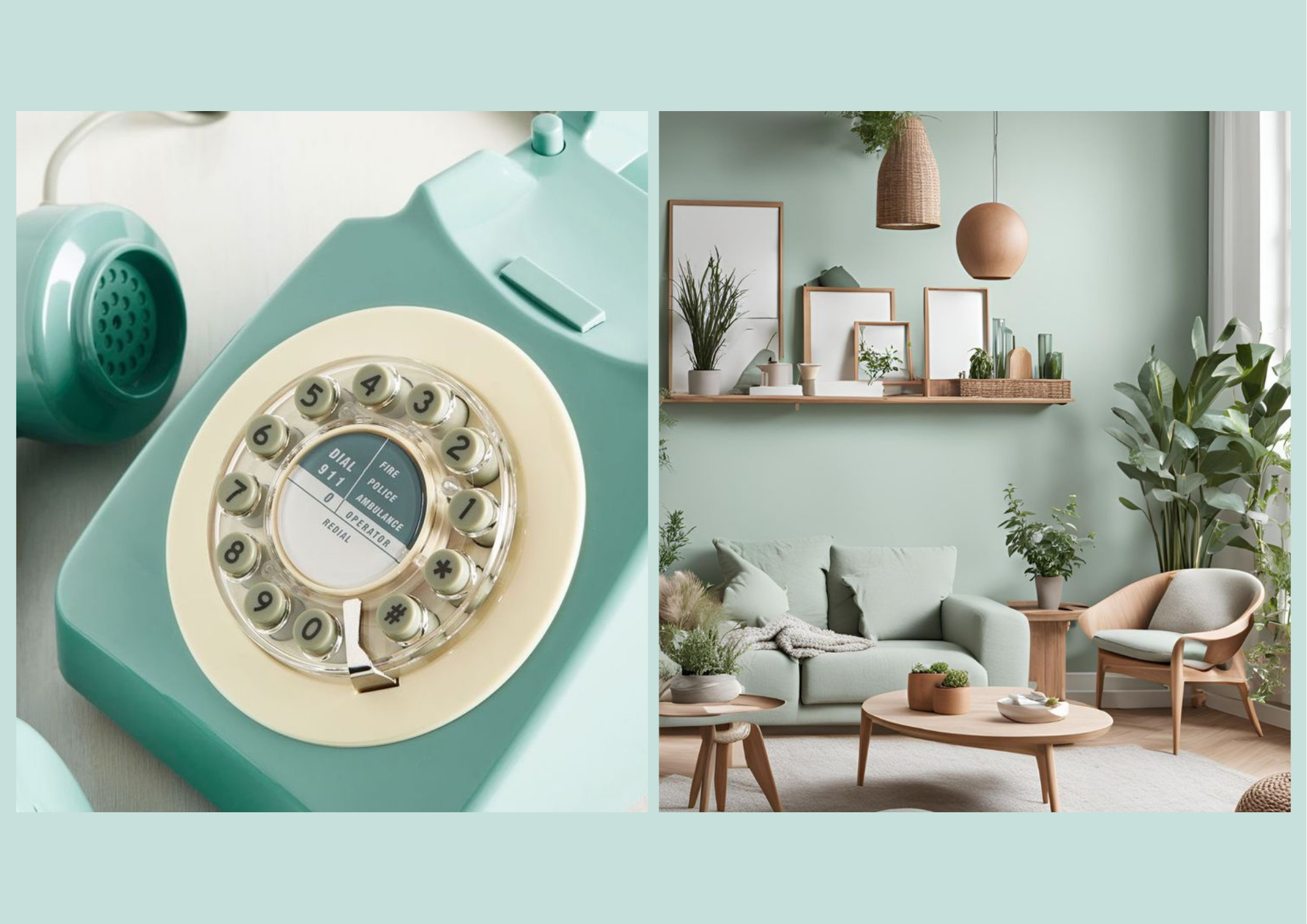
My love for scandi interiors
If you were to ask me which interior appeals to me most, the answer rolls out effortlessly: Scandinavian! The calmness, simplicity and natural materials make it a style that has always inspired me. But if you step into my home, you will quickly discover that it is far from Scandi decorated.
If you were to ask me which interior appeals to me most, the answer rolls out effortlessly: Scandinavian! The calmness, simplicity and natural materials make it a style that has always inspired me. But if you step into my home, you will quickly discover that it is far from Scandi decorated.

Scandinavian style is all about balance. It combines functionality with aesthetics, all in a serene atmosphere. Think light wooden furniture, soft color palettes of white, beige and grey, and playful accents in black.
Plants often play a big role in Scandi interiors. They bring life and color without disturbing the minimalist vibe. And let's not forget the soft textures - woolen plaids, linen cushions and fluffy rugs make things warm and inviting.

Scandi as an inspiration, not a goal
The beauty of interior design is that it is not a competition. Your home should be a place where you feel good, not a showroom that conforms to a certain trend. For me, Scandinavian design remains an inexhaustible source of inspiration. It shows me how beautiful simplicity can be, without having to give up my own style.
And that is perhaps the essence of Scandi: balance. So when I create a quiet corner in my colorful home, I feel as much at home there as I do in my dreams of a perfect Scandinavian interior.

Scandinavian interior design - also known as ‘Scandi’ - is a style loved the world over for its minimalistic, functional and timeless appeal. But what makes this style so special, and why do so many people continue to be inspired by it?

Scandi style has its origins in the Nordic countries - Sweden, Norway, Denmark, and Finland. In the 1950s, this style gained international acclaim for its simplicity and functionality. It became a response to the cold, dark winters of Scandinavia, in which a house should be an oasis of light and comfort.

Features of Scandinavian Interiors
1. Light and space
With little natural daylight in the winter months, bright colors such as white, cream and soft grey are essential. Large windows and an open layout enhance this sense of space.
2. Natural Materials
Wood, especially light wood such as oak or birch, plays a big role in Scandi interiors. Textiles such as wool, linen and cotton add warmth. Other natural elements, such as leather and ceramics, are also often used.
3. Functionality above all
Scandinavian design philosophy revolves around functionality. Furniture should be practical without compromising on aesthetics. Think sleekly designed tables, chairs and cabinets that are simple and stylish.
4. Minimalist Decoration
Less is more in a Scandi interior. Decorative items are chosen with care and kept limited. Plants, a single vase, or a few framed artworks create a personal but not cluttered look.
5. Comfort and cosiness (Hygge)
Hygge, the Danish concept of cosiness, is deeply intertwined with Scandi style. Warm plaids, soft cushions and mood lighting - often with candles or soft lamps - make the interior inviting and cosy.

Colors in the Scandinavian Style
The color palette is predominantly neutral and light. White, beige and grey form the basis, often complemented by soft pastel shades. Black is used for accents, for example in frames or lamps, to create contrast. If you want something more colorful, think for example of soft blue/green colors.
The simplicity and tranquility of Scandinavian interiors make it attractive in our often busy lives. It is a style that creates a balance between practical living and aesthetics. Moreover, it easily adapts to other styles, making it a timeless choice.

Are you in love with minimalism, but want something that exudes even more peace and authenticity? Then Wabi Sabi might be the interior design style you're looking for. This Japanese philosophy embraces imperfection, simplicity and the beauty of impermanence.
I have written an extensive blog about the essence of Wabi Sabi and how to apply this unique style in your home. Here you will discover:
- What exactly Wabi Sabi means.
- How to embrace imperfection in your interiors.
- Which materials and colors are perfect for this style.
- Practical tips for decorating your home according to the principles of Wabi Sabi.
Curious? Read my blog and get inspired by the art of simplicity and natural beauty!

Hasta luego,
Bianca

Wabi Sabi
With this blog, I’ll let you discover Wabi Sabi; one of the most beloved interior design trends of the moment! As a huge fan of the Scandinavian 'Hygge' style, I feel a deep connection to it. Now, I'm excited to explore Wabi Sabi; follow along for some cozy inspiration!
With this blog, I’ll let you discover Wabi Sabi; one of the most beloved interior design trends of the moment! As a huge fan of the Scandinavian 'Hygge' style, I feel a deep connection to it. Now, I'm excited to explore Wabi Sabi; follow along for some cozy inspiration!

Wabi Sabi
Let’s start with some background about this Japanese philosophy first. Rooted in this philosphy, we are reminded to cherish the beauty found in nature's imperfections. This perspective allows us to embrace the lifecycle of all things, recognizing that flaws contribute to their character.
Wabi Sabi comes from two words that together highlight the charm of imperfection. Wabi means that kind of beauty found in asymmetry and roughness, like an unglazed handmade ceramic figure. Sabi is the beauty found in the passage of time, in someone or something’s aging landmarks, like wrinkles around the eyes or stains on the surface of an old mirror.

Wabi sabi teaches to love the simplicity and transience of life. Taking a moment to appreciate the beauty in our surroundings and live with gratitude.
The fact that Japan and Scandinavia are some 8,000 kilometers apart cannot stop interior designers. From the long-distance relationship between Japan and Scandi countries, a deco style was born where aesthetics and harmony take center stage.

Hygge
The Hygge interior and lifestyle, originating from Denmark, is known for its focus on coziness, comfort, and creating an inviting atmosphere. It is all about finding joy in everyday moments and embracing the simple pleasures of life.
There's nothing like a warm cup of tea by the fireplace and a good book to embrace that hygge life. Slow down and enjoying the little moments.

Wabi Sabi versus Hygge
These two lifestyle concepts have gained popularity in recent years and are often associated with creating a cozy and harmonious living environment. But what exactly are the differences and similarities between Hygge and Wabi Sabi?
Hygge and Wabi Sabi are all about creating a harmonious space that feels just right and cozy.
Hygge, rooted in Danish culture, encourages a warm and inviting atmosphere.
On the other hand, Wabi Sabi, from Japan, teaches us to find beauty in the imperfect and fleeting moments of life.
Hygge embodies a visual aesthetic of warmth and simplicity and soft textures, creating spaces that feel like a warm embrace. On the other hand, Wabi Sabi encourages us to find beauty in the imperfect, the asymmetrical and raw textures.
Hygge encourages us to create cozy and comfortable spaces, while Wabi Sabi reminds us to cherish the imperfect and transient aspects of life.
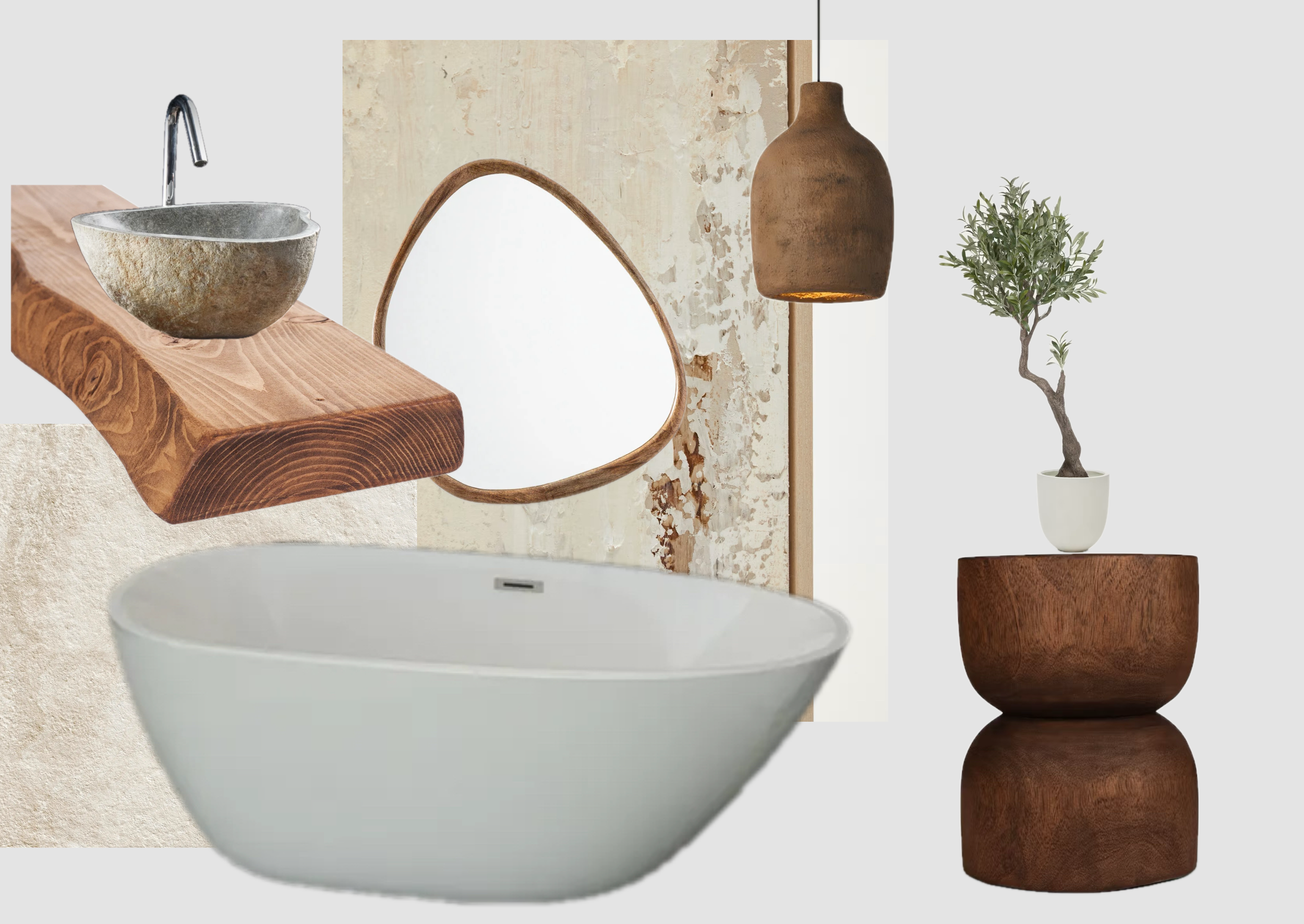

How to design?
Wabi Sabi follows nature’s rules, so that is the key value in designing an interior the ‘Wabi Sabi way’. An essential feature is creating an immersive ambiance: peaceful and honest, and with a strong synergy between the objects, colors and individuals. A Wabi Sabi home consists of a minimalistic look, pale colors, rough textures from organic materials like wood and ceramics.
Decor with minimalistic furniture and follow brutalistic architectural lines. Choose modest colors and consider to add some washed linen, to emphasize the aspect of imperfection and modesty!

My designs
Throughout this blog post, you’ll find my visual interpretation of the Wabi Sabi style. Included in mood boards, color palette and more. Pay attention to all the details, and feel the vibe of this amazing interior style! Hopefully, I managed to give you some inspiration and joy with my creations. Can’t wait till my next assignment!

Hasta luego,
Bianca

The promenade of Altea
A few weeks ago we went to Altea. Altea is a jewel of the Costa Blanca. Where before we went to the old part of Altea, this time we went to Altea Beach. The sun was shining nicely and there were still a lot of people out and about for this time of year. After all, the sun shines a lot here, so there will be people at any time of the year. I am not a beach person and luckily my husband is not either. Our dog, however, is and loves to dig in the sand. Unfortunately, many beaches in Spain are not accessible to dogs. And so it was no fun for our doggie. Walking on the beach promenade. A wide promenade with restaurants, a playground for children and even a mini agility course for dogs.
A few weeks ago we went to Altea. Altea is a jewel of the Costa Blanca. Where before we went to the old part of Altea, this time we went to Altea Beach. The sun was shining nicely and there were still a lot of people out and about for this time of year. After all, the sun shines a lot here, so there will be people at any time of the year. I am not a beach person and luckily my husband is not either. Our dog, however, is and loves to dig in the sand. Unfortunately, many beaches in Spain are not accessible to dogs. And so it was no fun for our doggie. Walking on the beach promenade. A wide promenade with restaurants, a playground for children and even a mini agility course for dogs.

What I noticed right away was that this promenade also exuded a sense of tranquility. The idea that I was walking in a large landscaped garden. Round shapes, a modern look and the white color of the pavement make it look beautiful. You can also sit here and there, enjoy the sun, the sea, your children and just be yourself with nature. The promenade is made for pedestrians. But don't be surprised if you see a skater riding a skateboard on the round shapes of the boardwalk infrastructure.

This promenade made me happy. And I have never seen a boardwalk like this before. Especially if you have the space, where there is room for beach lovers, restaurant visitors and those who enjoy a quiet walk and enjoy the sun and the sea, this is definitely a perfect space! Young and old strolled along the boardwalk, the benches were used to sit and relax for a while, as well as for athletes to work out. My husband walked doggie back and forth after doing his trick on the mini agility course. What about me? I grabbed the camera out of my bag and went to check it all out and capture it. I took the most beautiful pictures between all these people, but in the meantime I also observed the tourists, but certainly also the locals.

If you are planning to visit Altea, I would recommend you to do both the old part and the beach of Altea. It is a big difference, but definitely worth it. Start with the old town and then chill out at the beach. Have a drink and a bite to eat in one of the restaurants.

More information about the promenade. The new boardwalk is a renovation of the old boardwalk. This project will start in May 2021. Altea's new promenade is 4,700 square meters. There are also 200 new trees such as medlars, lemon trees, orange trees, tamarinds, pomegranates and poplars.

Hasta luego,
Bianca

Spanish vibes (E-book)
When you live in Spain, you also have a lot to see. Where we live, the weather is good most of the time, so that means a lot of getting outside and going out. We moved to Spain early last year and for the first year we spent a lot of the weekends discovering some of the beauty of Spain. Close to Valencia, but also a little further away. A small village or a bigger city. A true paradise for a photographer. So much beauty and it would be a shame if I didn't share this with you. And so I have collected something beautiful from 21 places in Spain in an E-book.
When you live in Spain, you also have a lot to see. Where we live, the weather is good most of the time, so that means a lot of getting outside and going out. We moved to Spain early last year and for the first year we spent a lot of the weekends discovering some of the beauty of Spain. Close to Valencia, but also a little further away. A small village or a bigger city. A true paradise for a photographer. Something I couldn't really do in Holland anymore, spending a day photographing. Holland does have some nice cities, but you quickly end up in the center with a church. That's not precisely what makes me happy. I'll go for those nice little balconies, alleys, villages where time has stood still. And what about doors? I'm hooked on (old) doors. What's behind them? A story you would never know if the door remains closed. Besides all this, I also love nature and architecture. Beautiful stately buildings. Not surprisingly, I have a thing for architecture.

So much beauty and it would be a shame if I didn't share this with you. And so I have collected something beautiful from 21 places in Spain in an E-book. With a few small tips. But it's mainly about the photos.
And I'm not an influencer to tell you where to go, where the Instagrammable spots are, where to eat the best. There is a lot to do about mass tourism and let's all 'just' enjoy what you find beautiful. That might just make traveling and discovering countries and places fun again.

The E-book has 130 pages and the photos are monochrome. If you like black and white, then you are definitely in the right place. It's not that I always edit in black and white, but sometimes it gives a photo something extra. And I'm honest, it definitely doesn't work with all photos.

In my E-book, I take you to Tabarca, among other places. Tabarca is an island near Alicante. Not too big and nice to spend a day. It has atmosphere, locals still live there, and you can take nice pictures. And if you like the sea, that makes it complete. After all, you can't get there without a boat.
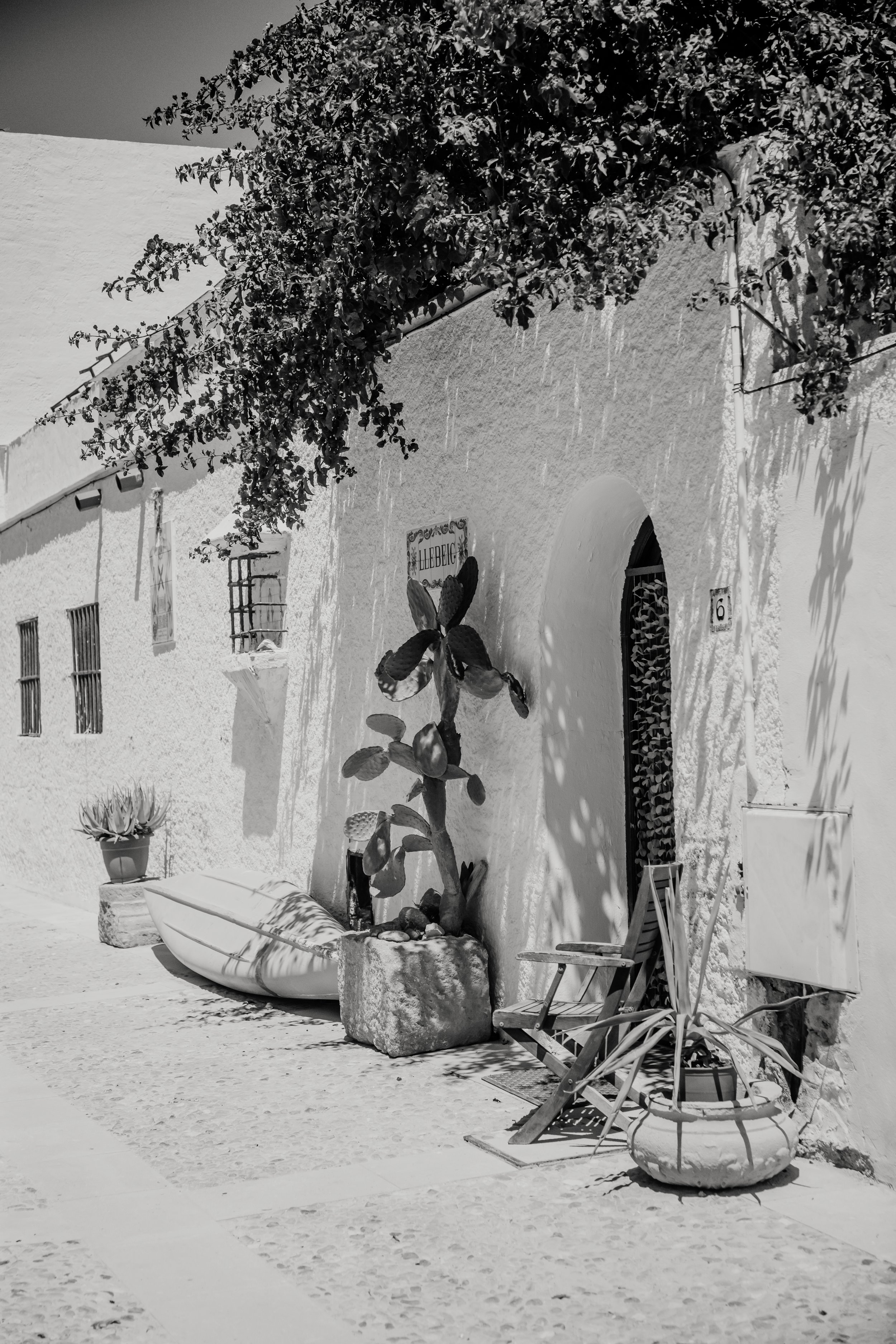
I don't think you could have mentioned Tabarca already, Cuenca probably not either. I'm not going to give too much away. The power of the pictures are bundled in the E-book. Should you like it, you can order the E-book for a few euros.

There are many more beautiful things on the shelf. Because this year too, of course, we are not sitting still and Spain is big and there is still more to discover. Perhaps the next project will be a coffeetable book, in color?
Hasta luego,
Bianca