The Golden Age of Design - 1950s interiors
There is a reason why, more than seventy years later, we are still gravitating toward the sleek lines and optimistic colors of the 1950s. The post-war era wasn't just a time of rebuilding; it was a revolution of style. It was the birth of Mid-Century Modern, a movement that traded heavy, dark Victorian furniture for light, airy, and functional design.
Whether you're a die-hard vintage collector or just looking to add a touch of "Mad Men" glamour to your apartment, here is what made the 1950s the ultimate decade for interior inspiration.
1. Form Follows Function (with a Smile)
In the 1950s, furniture became "slender." Designers like Charles and Ray Eames or Cees Braakman began using materials like bent plywood, plastic, and steel. The heavy skirts of sofas disappeared, replaced by tapered "peg" legs that lifted furniture off the floor. This created a sense of space and flow that made even small post-war homes feel expansive.
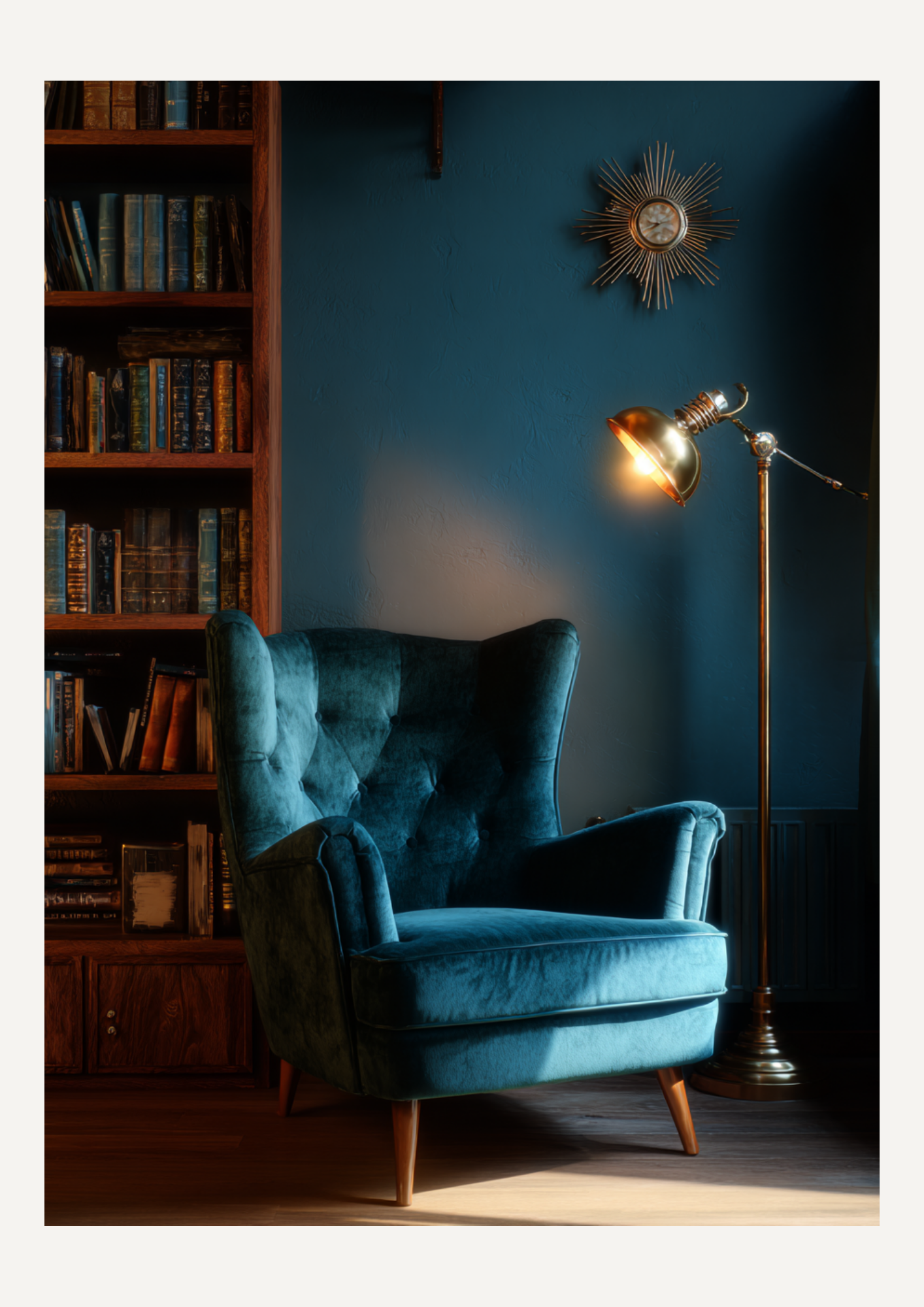
2. The Palette: Pastels and Pops of Primary
The 1950s color story is a tale of two halves. On one side, you had the "Candy Coat" kitchen: mint greens, pale pinks, and baby blues that made the heart of the home feel fresh and clean. On the other side, living areas often featured bold, sophisticated accents of mustard yellow, burnt orange, and charcoal gray. It was a time of experimentation—fearless and fun.
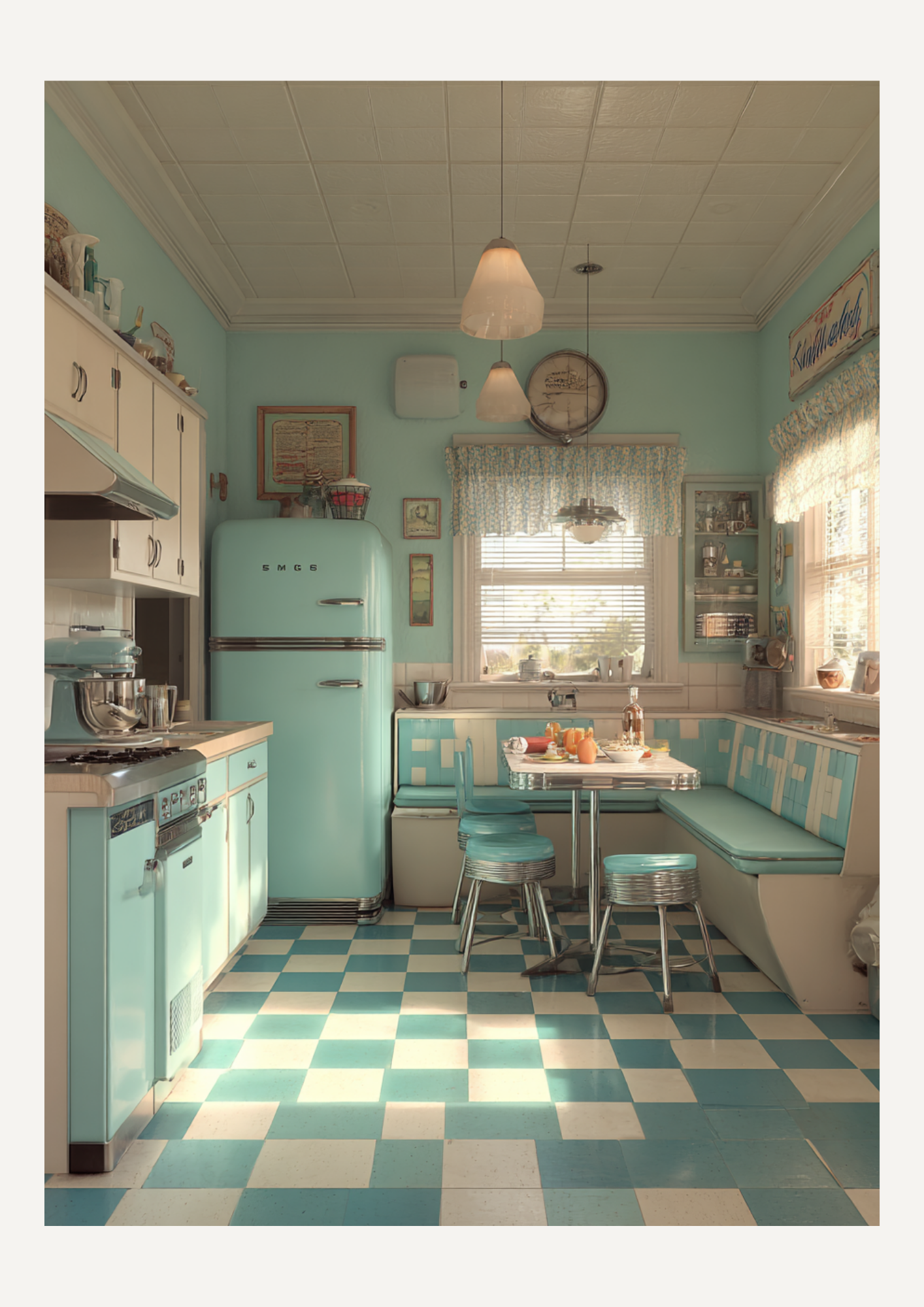
3. Bringing the Outdoors In
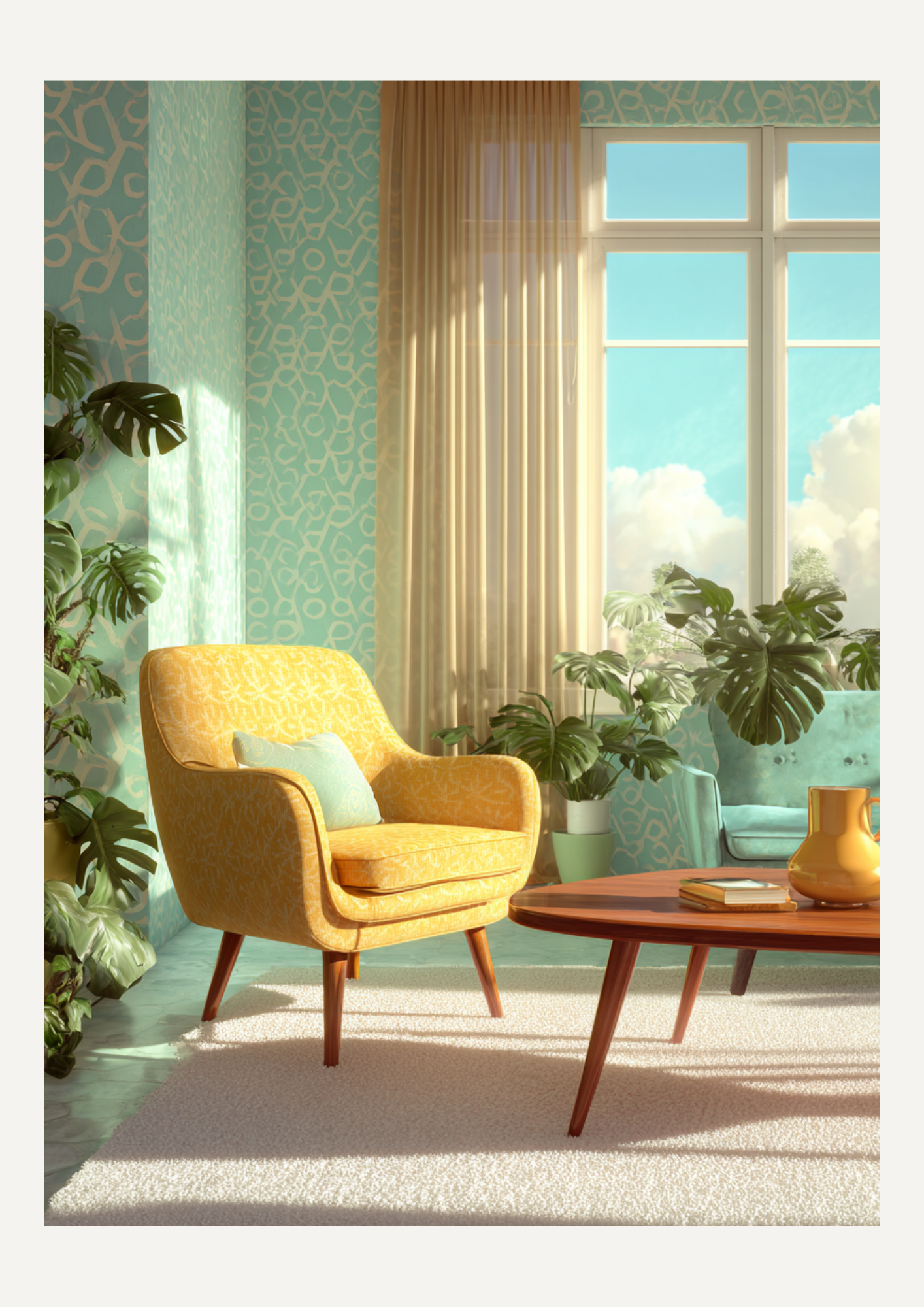
This decade saw the rise of the "picture window." As suburban homes sprouted up, people wanted to feel connected to their gardens. This led to the popularity of:
Indoor greenery: Large-leafed plants like the Monstera (which is still a superstar today).
Natural textures: The use of warm teak, oak, and walnut wood.
Organic shapes: The iconic kidney-shaped coffee table is the perfect example of design mimicking nature.
4. The "Atomic" Influence
The 1950s were obsessed with the future and the space race. You can see this in the "Atomic" patterns found on wallpaper and textiles—think starbursts, boomerangs, and abstract geometric shapes. These patterns added a sense of dynamic energy to every room.
How to Get the Look Today
You don't need to turn your home into a museum set to enjoy this style. The beauty of Mid-Century Modern is how well it plays with others.
Start small: A sunburst clock or a pair of tapered-leg nightstands can transform a room.
Mix textures: Pair a velvet sofa with a sleek wooden coffee table.
Keep it airy: The 1950s philosophy was about "breathing room." Avoid clutter and let your furniture's silhouette do the talking.
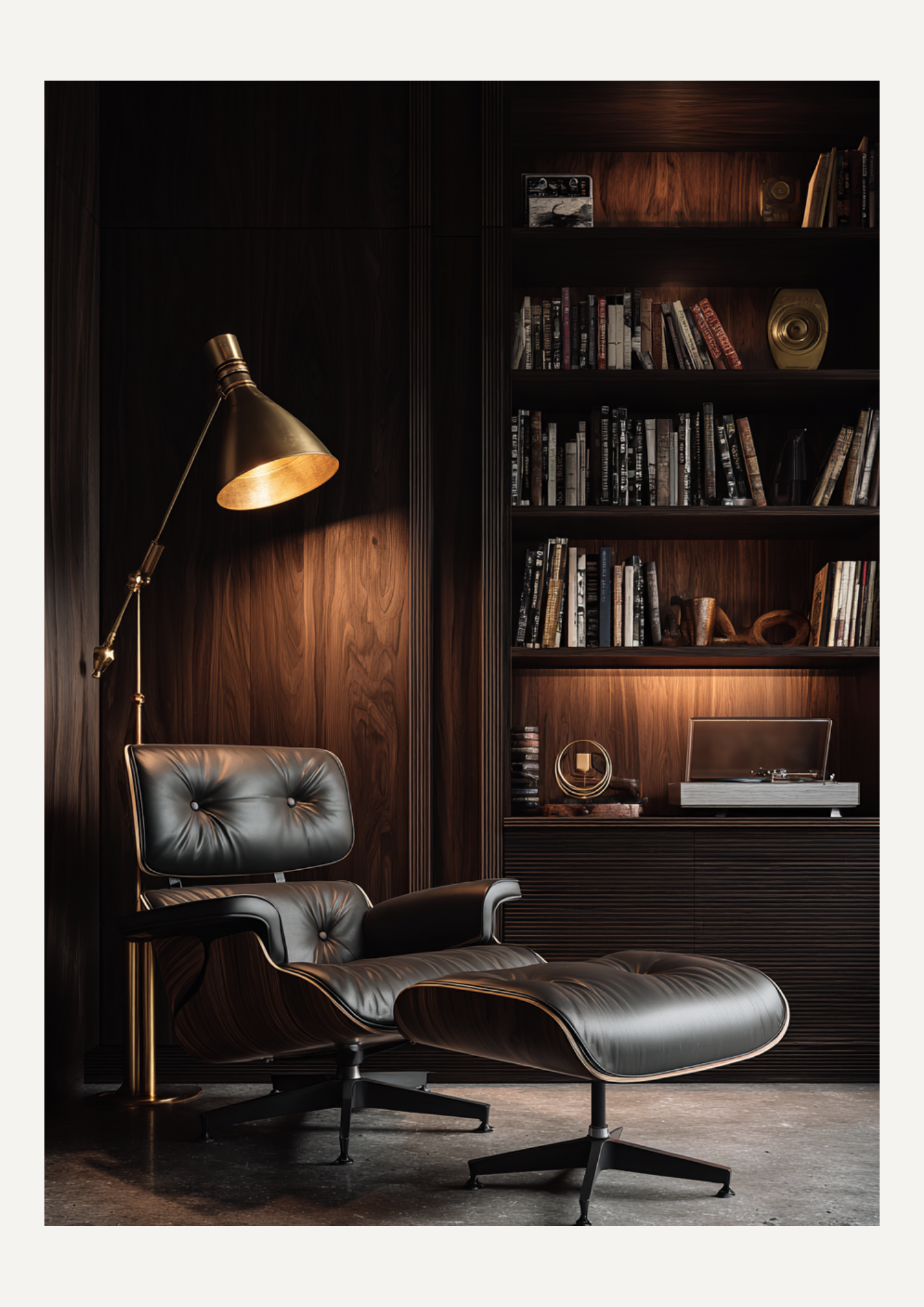
The 1950s weren't just about nostalgia; they were about looking forward with hope and creativity. Perhaps that’s why we still feel so at home in them today.
